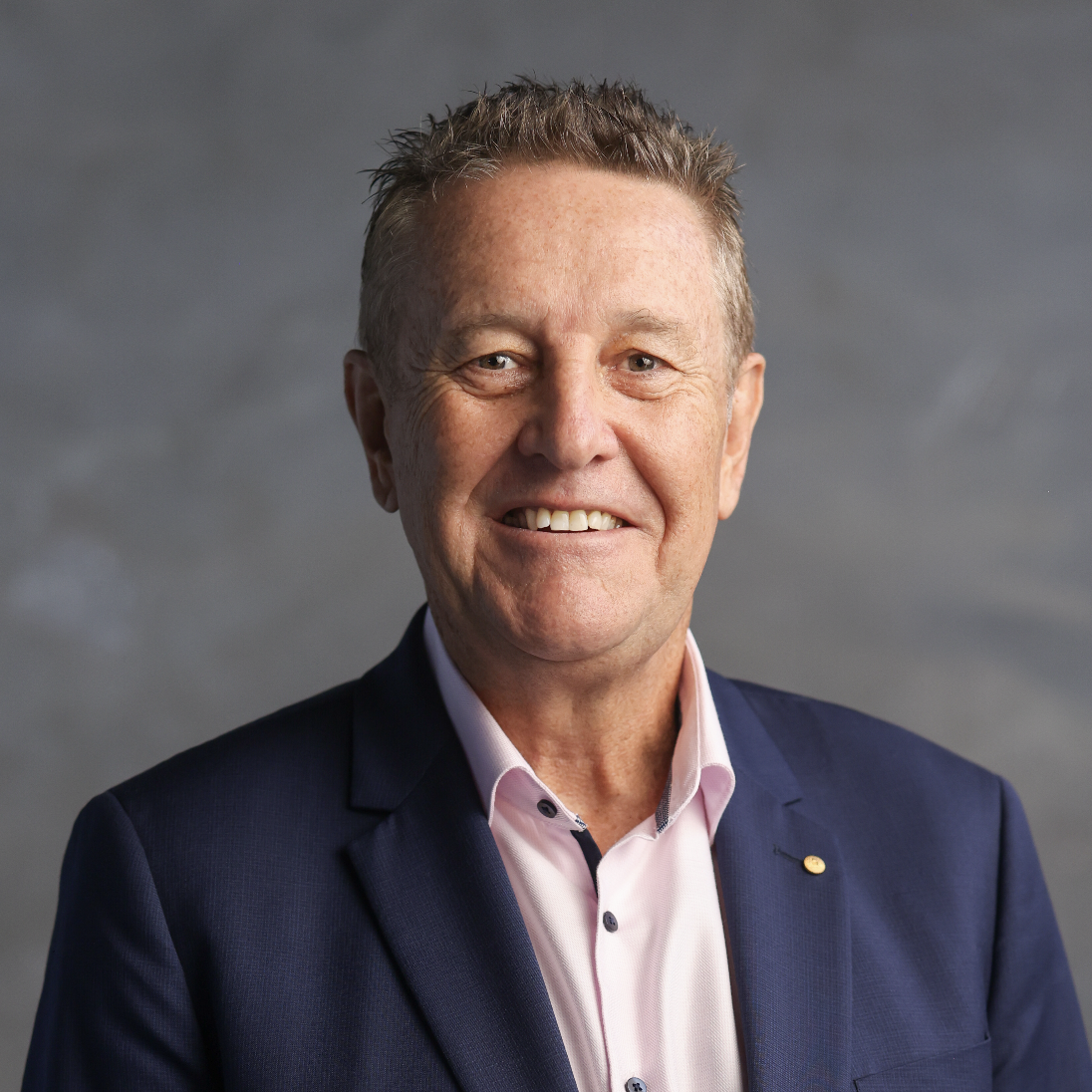
With inflation, rising fuel costs, interest rate pressure, and ongoing housing supply challenges dominating headlines, understanding where the property market is heading has never been more important. In this exclusive conversation, Andrew Bell is joined by Ray White Chief Economist Nerida Conisbee to discuss the key economic forces influencing buyer confidence, construction costs, rental markets, and property values across Australia. From the resilience of South East Queensland to the potential impact of policy changes around negative gearing and capital gains tax, this is a timely and insightful market update for buyers, sellers, investors, and homeowners alike.
Andrew Bell:
I’m down here in Sydney today, and I’ve got the great opportunity to be with Nerida Conisbee, who is the most quoted person in Australia media on real estate. Devoted her career as an economist to studying all aspects of real estate. And we’re very blessed to have her part of the Ray White group. And I get so much value of the insights that Nerida has in relation to our real estate market. And of course, there’s so much going on in the market at the moment that it’s particularly relevant.
I’ve just been down here finishing a podcast. It is fascinating. I’ll let you know more about it. It’ll be coming out very shortly and be very pleased for you to be able to see that.
But today we just want to focus on for a few minutes, maybe we call it a finger on the pulse type approach about what’s happening in real estate at the moment. So moving on to my first question — interest rates very close to everybody’s heart. So my question to you, we’ve seen a couple of rises on the back of rising inflation. How many more do you see and what sort of impact do you think that might have on real estate?
Nerida Conisbee:
Well, luckily at least once more. Beyond that it’s very uncertain. So markets are pricing in sort of 3 or 4 increases. But we do know that can change very rapidly. So inflation in particular everyone’s watching it closely. It’s sitting at 4.6%. So that starts to come back. Or alternatively if unemployment starts to rise rapidly it will start to temper the decision.
Andrew Bell:
Do you see because the impact of the rising oil prices has only just starting to hit us. Do you actually think that we won’t see quite a bit more period of higher inflation?
Nerida Conisbee:
Yeah, it is likely. So on one hand we’ve seen sort of 30 to 40% increase in fuel prices. But that will obviously flow through to things like food prices. It’ll flow through to construction costs. The big problem The Reserve Bank has now is trying to tame inflation expectations. So on one hand inflation is moving upwards. But if people believe it will increase even more, they start to change the way that they charge. If they’re a business, wage negotiations take on a different level. All of these things which actually people expect inflation to increase, and then they actually force it to increase. And that’s a challenge.
Andrew Bell:
Just out of interest how long after an interest rate rise, does it really start to impact? Because I guess in the first instance you go, oh, it’s gone up $100 a month, but I got enough money in the bank and so on. But then there’s this compounding effect — two interest rate rises, three. Boy, I’ve had to pay that now over a longer period of time. Do you see a lag effect between an interest rate rise and the impact in the market?
Nerida Conisbee:
Yeah, I mean, they call it a blunt instrument for a reason because on one hand, it does have an immediate impact on things like house prices. We can see them slowing down quite quickly because sentiment shifts. But in terms of the flow on effect to people’s household budgets, it does take a bit of time because obviously $100 a month isn’t going to hit you too hard. $300 starts to get a lot tougher. But then if people start to lose their jobs, that’s when things really start to become difficult.
Andrew Bell:
So fuel prices, everyone’s talking about them. Do you see this as a short term thing or do you think it’s going to get somewhat ingrained? Like if prices went up, do we see them coming down significantly? Or do you think there’s going to be a bit of price gouging? People are taking advantage of this and that we’re going to see these higher prices now.
Nerida Conisbee:
They’ll be high for a while. I mean, they have come back a bit. I think anyone — we all see it if we drive down the road, they’re all over the place. They have come back. But even if the straight is opened immediately, it’s going to take a little bit of time to get things up and running operationally as a result. I think though too this has really led to a lot of countries worrying about fuel security, and so I think that may also keep things a bit more elevated. The future of oil and gas was seen as, with the rise in renewables, not the best industry. But as we’ve seen, we are still incredibly reliant on it.
Andrew Bell:
And people ask, what’s fuel got to do with real estate? Is there a connection?
Nerida Conisbee:
There is a connection, we have seen in our open for inspection numbers. So as the fuel prices started to rise rapidly, we did see a drawback in people attending open homes. So really the impact is around sentiment though, it’s not particularly fuel prices. When we see the ANZ consumer sentiment survey plunged to its lowest level ever recorded, obviously that has an impact on how people feel about buying and selling property.
Andrew Bell:
It could have effect further down as we start to see building costs go up. But that means new construction is going to go up driving more people into the resale market potentially, yes. So there could be that longer term effect of seeing resale prices pushed up a little bit because people move away from new development stock.
Nerida Conisbee:
Yeah. And construction costs have already reaccelerated from lack of labor. So this will be an extra problem for the construction industry. So a lot of things are actually made of oil. So plastic piping and paint I think use oil products. The other problem too is that a lot of products are coming through the straight as well. So you know, there’s ongoing issues around construction which aren’t going to be resolved quickly.
Andrew Bell:
Lots to talk about.
Nerida Conisbee:
Very negative.
Andrew Bell:
Well, but you know what life’s…
Nerida Conisbee:
A bit tough at the moment.
Andrew Bell:
Yeah. And we have these hurdles thrown at us all the time. I think global financial crises and recessions we’ve had, it’s just part of the journey of life, isn’t it? We just got to navigate through them. Speaking about navigating through things. Talk about capital gains tax going up. Talk about some changes to negative gearing. Is this going to be positive for real estate?
Nerida Conisbee:
No it won’t. And I think it’s not going to be positive for real estate in ways that people don’t quite understand. And when we see what’s happened, Victoria is a really good example where they have increased taxes on investors significantly. What it has done is it’s shifted the pressure away from house price rises to rental rises. And that’s a big concern at the moment. Ray White does have the biggest exposure to renters. So we do see on the ground what happens to renters when their rents go up. We see in markets like Perth, where rents rise incredibly rapidly over a short period of time, how stressful it can be. So, you know, that’s a challenge that we’ve seen in Victoria — fewer rental properties. If we see fewer rental properties, it will flow through to rents.
Andrew Bell:
There was past experience back in 1985 where government wiped negative gearing, and there was a loss of purchasers buying rental properties that ended up with this acute shortage of rental accommodation, forced up rents, and within two years the government had to reverse that decision and reintroduce negative gearing. So whilst I know it sounds appealing to some parts of our social fabric, the reality is it is the tenants who suffer from the lack of negative gearing. And capital gains tax?
Nerida Conisbee:
Yeah. And so we don’t quite know what will happen in the budget. But you know, a very similar situation. Probably not as bad as negative gearing, but it will make property less attractive to invest in.
Andrew Bell:
Well, the reality is you’re only paying a tax if you’re making profits. So you know, I don’t know too many things where you make a profit that government doesn’t want a slice of the cake. So it’s just part of it. Market outlook just maybe through the balance of this year. Is this uncertainty, this drop in consumer confidence, rising interest rates — is this just going to muddy the waters and maybe just keep things a bit subdued for this year?
Nerida Conisbee:
Yeah it will. Well I mean we’ve already seen in February and March house price growth slowed. So in some markets it’s probably a good thing. Gold Coast is a good example where things have been moving red hot for a long time now. So I think a little bit of a calming down will be good. Definitely different at the top end of the market versus the cheaper end. Cheaper end still seems to be moving quite quickly. Top end has really slowed down. And then when we look at different cities, Melbourne and Sydney much more exposed to interest rate rises, so are seeing a much faster slowdown compared to Perth, South East Queensland and Adelaide, which are moving quite quickly still.
Andrew Bell:
I try to share with people my observations over the years and that is that it’s actually quite the reverse. You think right now would be the worst time to buy, but it’s in fact the best time to buy.
Nerida Conisbee:
Oh yeah, because there’s not many buyers out there.
Andrew Bell:
There’s less competition. You generally get a little bit more stock on the market. And so it’s actually very favorable for a purchaser. Yet it takes courage because everything on the landscape says, well, I don’t think I should. Which is why consumer confidence is down. It’s actually the best time to get into the marketplace. So it takes a bit of courage.
Look, I’d love to catch up with you more frequently during the course of this year because so much is happening. I thank you for the podcast we’ve done. It was fascinating and I look forward to welcoming you up to Queensland, and we’ll do maybe a few more things with our wonderful client base. So thank you very much for your time today.
Nerida Conisbee:
Thanks for having me.
Andrew Bell:
Pleasure.